
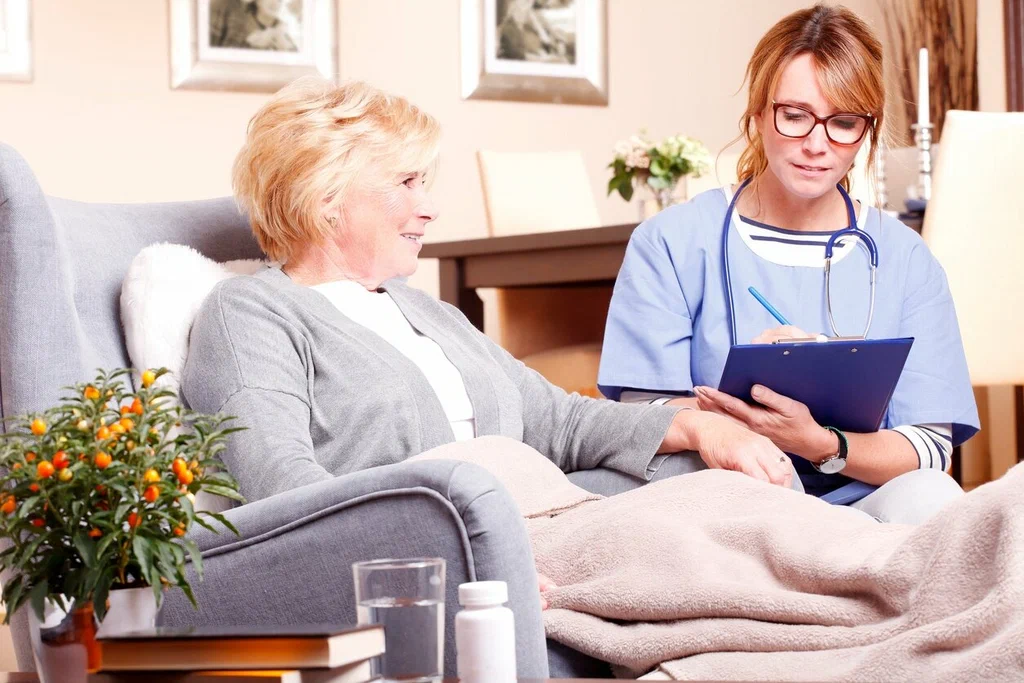
In 2025, Minnesota is witnessing a significant surge in the demand for home health care services. As families navigate the challenges of caring for aging parents, managing chronic illnesses, and seeking cost-effective healthcare alternatives, home health care has become a preferred choice for many. But what exactly is fueling this growth? Let’s explore the key reasons behind the rising popularity of home health care service in Minnesota.
1. The Aging Population in Minnesota
One of the primary drivers behind the growth of home health care services in Minnesota is the rapidly aging population. According to the Minnesota State Demographic Center, the number of residents aged 65 and older is increasing at an unprecedented rate. As baby boomers enter their senior years, the demand for quality care that allows them to remain at home grows stronger.
Families are increasingly seeking care options that provide safety, comfort, and familiarity. Home health care allows seniors to age in place, maintain their independence, and stay connected to their communities and families—all while receiving professional medical support.
2. Advances in Medical Technology
Another factor contributing to the growth of home health care service in Minnesota is the advancement in medical technology. Portable medical equipment, remote monitoring devices, and telehealth services have made it easier than ever for healthcare providers to deliver quality care at home.
With remote monitoring, healthcare professionals can track a patient’s vital signs, medication adherence, and overall health status in real-time. This reduces the need for frequent hospital visits and allows for quicker medical interventions if issues arise. As technology continues to evolve, home health care is becoming a more viable and effective option for a wide range of patients.
3. Cost-Effective Alternative to Institutional Care
Institutional care, such as nursing homes and assisted living facilities, can be prohibitively expensive for many families. In contrast, home health care services often provide a more affordable alternative while delivering personalized care.
In Minnesota, many families are recognizing the financial benefits of home health care services. With flexible care plans, families can choose the level of care that best fits their needs and budget. Additionally, home health care can reduce the likelihood of hospital readmissions and emergency room visits, further lowering overall healthcare costs.
4. Growing Preference for Personalized Care
Personalized, one-on-one care is one of the biggest advantages of home health care services. Unlike institutional settings where staff may be stretched thin, home care providers can focus entirely on the individual needs of each patient.
Minnesota residents are increasingly valuing this customized approach to care. Whether it’s assistance with daily living activities, medication management, physical therapy, or post-surgical recovery, home health care professionals can tailor their services to each patient’s unique situation.
5. Support for Family Caregivers
Family caregivers often take on significant responsibilities when caring for an aging or ill loved one. While many do so out of love, the physical, emotional, and financial toll can be overwhelming. Home health care service in Minnesota offers essential relief for these caregivers.
By bringing professional support into the home, caregivers receive much-needed respite while ensuring their loved ones continue to receive high-quality care. This collaborative approach improves the overall well-being of both patients and their families.
6. Increased Government Support and Policy Changes
In recent years, Minnesota has seen policy shifts that support the expansion of home health care services. Government programs such as Medicare and Medicaid have increased funding for in-home care, recognizing its value in improving patient outcomes and reducing healthcare system burdens.
Additionally, state and federal initiatives are focused on expanding access to home health care for underserved populations, including rural communities. These efforts are helping to make home health care a more accessible option for Minnesotans across all socioeconomic backgrounds.
7. Rising Awareness and Education
As more people experience the benefits of home health care, word is spreading. Healthcare providers, advocacy groups, and government agencies are actively educating the public about the advantages of home health care services.
At carematehomehealthcare.com/, we have seen a growing number of families reach out to learn more about home-based care options. Through online resources, educational seminars, and healthcare consultations, Minnesota residents are becoming more informed and empowered to make the best care decisions for their loved ones.
8. The Impact of the COVID-19 Pandemic
The COVID-19 pandemic has forever changed how people view healthcare. The risks associated with institutional care settings during the pandemic underscored the value of receiving care at home. Many families in Minnesota turned to home health care to minimize exposure risks while still receiving essential medical care.
Even as the pandemic’s immediate threat has subsided, the preference for home-based care has persisted. People now better understand that receiving care in a safe, controlled home environment can be both effective and reassuring.
Conclusion
The growth of home health care service in Minnesota in 2025 is the result of multiple converging factors: an aging population, technological advancements, cost-effectiveness, personalized care, caregiver support, favorable government policies, rising awareness, and the lingering impact of the pandemic.
At carematehomehealthcare.com/, we are proud to be part of this positive shift in healthcare delivery. Our dedicated team is committed to providing compassionate, high-quality home health care that empowers individuals to live with dignity and independence in the comfort of their own homes.
As the demand for home health care services continues to grow in Minnesota, families can feel confident knowing that comprehensive, professional care is available right where they need it most—at home.